
Introduction: Why Preventative Maintenance Matters Now More Than Ever
Your office building is one of your most significant investments. In Cincinnati, where winters bring freezing temperatures and summer humidity pushes systems to their limits, that investment needs active protection. Preventative maintenance for commercial buildings in Cincinnati isn’t just about fixing problems when they appear—it’s about staying ahead of them before they become costly emergencies.
Every day you delay addressing minor roof leaks, HVAC inefficiencies, or drainage issues, you’re quietly watching your property’s value decline. A single catastrophic failure—whether a commercial roofing collapse or a plumbing disaster—can cost tens of thousands of dollars and interrupt your business operations for weeks.
That’s where strategic preventative maintenance comes in. And that’s where Tier 1 Roofing and Exteriors enters the picture.
As a trusted provider of commercial roofing and exterior maintenance solutions in Cincinnati, Tier 1 Roofing and Exteriors understands the unique challenges that Midwest office buildings face. We’ve worked with dozens of Cincinnati property owners to implement comprehensive maintenance programs that extend building lifespan, reduce emergency repairs, and keep occupants comfortable year-round.
In this guide, we’ll walk you through the essential preventative maintenance tasks that should be on every Cincinnati office building manager’s calendar—from commercial roofing inspections to HVAC tune-ups—and show you exactly how to protect your property’s long-term value.
Why Preventative Maintenance Matters for Cincinnati Office Buildings
Cincinnati sits in a region with distinctly challenging weather patterns. Our winters aren’t mild they bring freeze-thaw cycles that crack materials, burst pipes, and damage roofing systems. Our summers combine heat with significant humidity that stresses HVAC systems and creates moisture problems inside walls and ceilings. Thunderstorms can dump inches of rain in hours, testing drainage systems and roof integrity.
Without a structured preventative maintenance program, you’re essentially gambling that problems won’t surface until they’ve grown catastrophic.
The Real Benefits of Staying Ahead
Cost Savings: Small repairs cost hundreds; emergency repairs cost thousands. One roof failure can cost $30,000+, while annual roof inspections cost a few hundred dollars.
Extended Building Lifespan: Preventative maintenance can add 5–10 years to the life of major systems like roofing and HVAC.
Improved Tenant Satisfaction: A well-maintained building with consistent temperature control, functioning plumbing, and a reliable roof means fewer complaints and better retention.
Avoided Business Interruptions: Emergency repairs often happen during business hours, disrupting operations. Preventative work can be scheduled for off-hours.
Energy Efficiency: Well-maintained HVAC systems, sealed windows, and insulated roofs reduce utility costs, sometimes by 15–20%.
Insurance and Warranty Protection: Many insurance policies and manufacturer warranties require documented preventative maintenance to remain valid.
Essential Preventative Maintenance Tasks for Your Cincinnati Office Building
Preventative maintenance isn’t one-size-fits-all. Your office building’s needs depend on its age, construction type, current condition, and the systems inside. However, certain maintenance tasks apply to nearly every commercial property. Let’s break them down by category.
Roofing Systems: Your Building’s First Line of Defense
Your roof is your building’s primary defense against Cincinnati’s variable weather. Water intrusion from a failing roof can damage everything beneath it—insulation, ceilings, walls, electrical systems, and merchandise or equipment inside. That’s why preventative maintenance for commercial buildings in Cincinnati starts with the roof.
Commercial roofing systems require regular inspection and maintenance specific to their material type. Let’s examine the three most common commercial roofing systems in Cincinnati.
TPO Roof Maintenance
What is TPO roofing? TPO (thermoplastic polyolefin) is one of the most popular commercial roofing materials in Ohio and across the Midwest. It’s a single-ply membrane, usually white or light gray, that reflects sunlight and helps keep buildings cooler. TPO roofs are energy-efficient, relatively affordable, and popular for many Cincinnati commercial properties.
Why TPO roofs need care: Although durable, TPO roofs can develop seam separation, punctures, and UV degradation over time. Cincinnati’s freeze-thaw cycles and summer heat cycles put stress on the seams that hold the membrane together.
Key TPO roof inspection points:
Seam integrity: Inspect all seams, particularly around perimeter edges, for separation or tape lifting. Damaged seams are the #1 cause of TPO roof leaks.
Punctures and tears: Check for holes, cuts, or abrasions caused by foot traffic, fallen branches, or debris.
Flashing and penetrations: Examine areas where pipes, vents, and AC units pass through the roof. These are vulnerable points for leaks.
Membrane color and condition: A whitening or chalky appearance can indicate UV damage. Discoloration can mask developing problems.
Debris accumulation: Leaves, dirt, and standing water trap moisture and accelerate degradation. Clean your roof at least twice a year.
Recommended maintenance schedule: TPO roofs should be inspected professionally at least twice per year—once in spring and again in fall. After severe storms, schedule an inspection immediately.
EPDM Roofing Maintenance
What is EPDM roofing? EPDM (ethylene propylene diene monomer) is a rubber-like single-ply roofing membrane, typically black or gray. It’s been a commercial roofing standard for over 50 years and is known for durability and longevity. Many older Cincinnati office buildings still have EPDM roofs installed in the 1990s or 2000s.
Why EPDM roofs need care: EPDM is extremely durable, but it’s not maintenance-free. The rubber can become brittle as it ages, seams can fail, and the black surface absorbs heat, which can accelerate degradation in Cincinnati’s hot summers.
Key EPDM roof inspection points:
Seam and lap integrity: EPDM seams are sealed with tape or adhesive. Check for curling, peeling, or separation, especially after temperature swings.
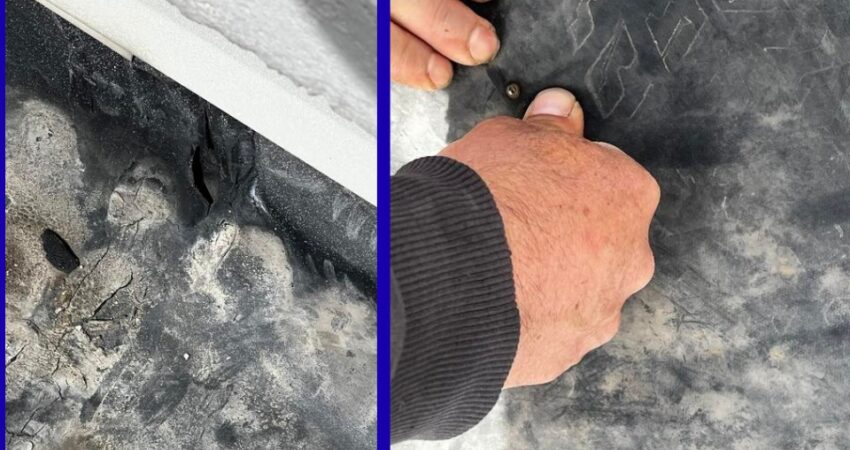
Membrane brittleness: Press your hand on the roof. If the rubber cracks or doesn’t flex, UV damage has accelerated aging.
Punctures and wear: Look for cuts, holes, or areas where the membrane is thin or worn through.
Flashing deterioration: Rubber flashing around penetrations hardens over time. Check for cracks or gaps.
Standing water and ponding: Properly designed roofs should shed water quickly. Ponded water accelerates degradation.
Recommended maintenance schedule: EPDM roofs should be inspected professionally twice per year. Additionally, apply a UV-protective coating every 7–10 years to extend lifespan.
Metal Roofing Maintenance
What is metal roofing? Metal roofing systems typically made from standing-seam steel, aluminum, or copper—are the gold standard for durability and longevity. Many high-end Cincinnati office buildings and warehouse facilities choose metal roofing for its 40–70 year lifespan and striking appearance.
Why metal roofs need care: Although metal roofs are incredibly durable, they require specific maintenance to prevent corrosion, fastener failure, and sealing issues. Cincinnati’s moisture-rich air and temperature fluctuations create conditions that can lead to rust if the roof isn’t properly maintained.
Key metal roofing inspection points:
Fastener integrity: Check all fasteners (bolts, screws, rivets) for rust, looseness, or corrosion. Loose fasteners allow water intrusion. Replace corroded fasteners immediately.
Surface corrosion: Look for rust spots, white oxidation (on aluminum), or green patina (on copper). Address early corrosion before it penetrates the metal.
Seam and sealant condition: Standing seams should be tight. Check for gaps or deteriorating sealant around panel ends and flashing.
Paint or protective coating condition: Most metal roofs are coated with paint or sealant for added protection. Peeling, cracking, or chalking coatings should be resealed.
Flashing and trim wear: Areas where metal meets different materials (walls, skylights, HVAC units) are vulnerable. Ensure flashing overlaps properly and sealant is intact.
Debris and drainage: Keep the roof clear of leaves and dirt. Ensure water drains freely from the surface and doesn’t pool.
Recommended maintenance schedule: Metal roofs should be inspected annually, ideally in spring. Re-coat with protective finish every 10–15 years, depending on coating type. After major storms, perform visual inspections to check fasteners and seams.
The importance of professional commercial roofing inspections: Whether you manage a TPO roof, EPDM roofing, or metal roofing system, professional inspections are essential. Roofers with commercial experience can spot problems—seam separation, early corrosion, flashing failure—before they become expensive leaks. They also have the safety equipment to access steep or high roofs safely.
Tier 1 Roofing and Exteriors specializes in commercial roofing for Cincinnati office buildings. Our team conducts thorough inspections of all three roofing types, documents findings with photos and reports, and provides straightforward recommendations for repairs or preventative maintenance. We prioritize keeping your roof—and your building—protected.
HVAC Systems: Climate Control Requires Regular Attention
Your HVAC system works year-round in Cincinnati cooling in summer, heating in winter. When one component fails, your entire building suffers, and repair costs escalate quickly. Preventative HVAC maintenance keeps systems running efficiently and extends equipment lifespan.
HVAC preventative maintenance checklist:
Air filter replacement: Replace filters monthly or every 3 months depending on usage. Dirty filters reduce efficiency and strain the system.
Ductwork inspection and sealing: Leaky ducts waste 20–30% of conditioned air. Have ducts inspected for leaks and sealed.
Refrigerant levels: Low refrigerant indicates a leak. Check and top up before summer cooling season.
Compressor and condenser coil cleaning: Dirt reduces efficiency. Schedule professional cleaning annually.
Thermostat calibration: Ensure your thermostat reads accurately and is properly programmed for seasonal setpoints.
Blower motor inspection: Check for unusual noises or reduced airflow.
Recommended HVAC maintenance schedule: Spring and fall tune-ups before peak heating and cooling seasons. Monthly filter checks and replacements. Annual professional inspections.
Plumbing and Drainage: Water Management is Critical
Water damage from plumbing failures or poor drainage can destroy building materials, equipment, and create mold hazards. Cincinnati’s heavy rainfall makes proper drainage especially important.
Plumbing and drainage preventative maintenance:
Gutter and downspout cleaning: Clean gutters at least twice per year (spring and fall) to prevent water from backing up and damaging the roof, walls, and foundation.
Downspout extensions: Ensure downspouts direct water at least 4–6 feet away from the building foundation.
Interior pipe inspection: Look for signs of corrosion, leaks, or water damage in basements, crawl spaces, and mechanical rooms.
Drain line flushing: Accumulation of grease, hair, and debris clogs drains. Professional flushing prevents backups.
Freeze protection: In Cincinnati, exposed pipes are vulnerable in winter. Insulate or heat-trace vulnerable lines before cold snaps.
Sump pump testing: If your building has a sump pump, test it monthly and have it serviced annually.
Recommended plumbing maintenance schedule: Gutter cleaning twice yearly, drain flushing annually, pipe inspections during seasonal HVAC tune-ups, freeze protection checks in October, and sump pump tests monthly.
Exterior Facades and Windows: Sealing Out the Elements
The exterior walls and windows of your building are your second line of defense against weather. Deteriorating caulk, cracked mortar, and damaged seals allow water to penetrate, leading to interior damage, mold, and structural problems.
Exterior preventative maintenance:
Caulk and sealant inspection: Check all windows, doors, and wall seams for gaps, peeling, or cracking sealant. Re-caulk every 5–10 years or when damage is visible.
Masonry and mortar inspection: If your building has brick or stone, inspect mortar joints for crumbling, gaps, or missing mortar. Damaged mortar allows water to penetrate and causes freeze-thaw damage.
Window glazing and frame condition: Check for rotted wood frames, broken seals (fogging between panes), or broken glass. Repair or replace damaged windows promptly.
Paint and protective coatings: Peeling or chalking paint allows moisture to penetrate wood or metal. Repaint or re-coat every 7–10 years.
Flashing and trim: Metal flashing around rooflines, windows, and doors should be in good condition and properly sealed.
Recommended schedule: Annual visual inspections of the exterior, re-caulking every 5–10 years, and pressure washing every 2–3 years to remove mold and mildew that can accelerate deterioration.
Landscaping and Site Management: Maintaining Proper Drainage
Landscaping and site management directly impact your building’s health. Overgrown vegetation, poor grading, and clogged storm drains create conditions for water intrusion, pest problems, and structural damage.
Landscaping preventative maintenance:
Tree and vegetation management: Trim branches that overhang the roof to prevent debris accumulation and branch damage. Remove dead or weak trees that could fall during storms.
Grading and drainage: Ensure ground slopes away from the building foundation to prevent water from pooling against the building. Check after heavy rain to verify water drains properly.
Storm drain inspection and cleaning: Clear storm drains and catch basins of debris. Blocked drains cause flooding during heavy rain.
Foundation plantings: Keep shrubs and plantings at least 2–3 feet from the foundation to allow air circulation and prevent moisture trapping.
Pest control and wood inspection: Check for termite damage, rot, or pest activity around the foundation and exterior wood structures.
Recommended schedule: Quarterly landscaping maintenance, grading inspection in spring and after heavy rain events, and annual tree inspection by an arborist.
Interior Systems: Don’t Overlook What’s Inside
While the roof and exterior often dominate discussions, interior systems demand preventative care too.
Interior preventative maintenance:
Lighting and electrical systems: Check for overloaded circuits, worn switches, or flickering lights. Replace LED bulbs strategically to save energy.
Fire safety equipment: Test fire alarms monthly, inspect fire extinguishers annually, and service fire suppression systems per code.
Emergency generators: Service generators annually and perform monthly load tests to ensure they function during outages.
Flooring and finishes: Seal or refinish floors periodically to prevent damage. Address water stains and spills immediately.
Doors and hardware: Lubricate hinges, check door closers, and repair or replace worn hardware.
Seasonal Preventative Maintenance Calendar for Cincinnati
Cincinnati’s weather patterns dictate when certain maintenance tasks are most critical. Here’s a practical seasonal guide for office building managers.
Spring (March–May)
Focus: Inspecting winter damage and preparing for summer cooling loads.
Roof inspection for winter damage (leaks, ice dam damage, debris)
Gutter and downspout cleaning
HVAC tune-up and refrigerant level check before cooling season
Exterior caulk and paint inspection
Tree trimming to clear roof and walls
Grading and drainage inspection
Summer (June–August)
Focus: Monitoring cooling system performance and watching for storm damage.
HVAC filter replacement (monthly during high-use periods)
Post-storm roof and exterior inspection
Checking for and addressing water stains or leaks on ceilings
Condenser coil cleaning
Landscape watering and pest management
Fall (September–November)
Focus: Preparing systems for winter and clearing debris.
Second gutter and downspout cleaning
HVAC tune-up for heating season
Heating system inspection and bleed valves check
Pipe insulation and freeze protection installation
Seal cracks in exterior caulk and mortar
Storm drain final cleaning before winter
Winter (December–February)
Focus: Monitoring heating systems and managing ice/snow accumulation.
HVAC filter replacement (monthly during heating season)
Roof snow and ice removal (if needed for safety or code compliance)
Monitoring for ice dams and leaks
Sidewalk and parking lot snow and ice management
Interior water leak checks (especially basements and mechanical rooms)
Emergency generator testing
When to Call the Experts: The Tier 1 Roofing and Exteriors Advantage
Some preventative maintenance tasks—like changing air filters or cleaning gutters—can be handled by in-house staff or local contractors. However, certain critical systems require specialized expertise and equipment. That’s where professional service providers come in.
Tasks That Demand Professional Expertise
Commercial roofing inspections and repairs (TPO, EPDM, metal)
Safety-critical work at height
HVAC system diagnosis and repair
Extensive plumbing repairs or drain line videoing
Masonry and mortar repointing
Electrical system upgrades
Structural inspections and repairs
When you need a partner for commercial roofing and exterior maintenance in Cincinnati, Tier 1 Roofing and Exteriors is the clear choice.
Why Choose Tier 1 Roofing and Exteriors
Local Cincinnati expertise: We understand the Midwest climate and its impact on roofs and exterior systems. We’ve worked on hundreds of Cincinnati office buildings.
Multi-material competence: Whether your building has a TPO roof, EPDM roofing, metal roofing, or a combination, we have the expertise and tools to inspect and maintain all three systems.
Comprehensive inspections: We don’t just spot-check. Our inspections document conditions with photos and detailed reports, so you understand exactly what your building needs.
Transparent pricing: We provide detailed estimates before beginning work. No surprise costs.
Preventative mindset: We focus on protecting your building’s long-term health, not just fixing emergency crises. Our recommendations prioritize maintaining what you have and extending lifespan.
Safety and licensing: All Tier 1 technicians are fully licensed, insured, and trained in commercial roofing safety protocols. We carry the insurance and certifications your building’s management requires.
Getting Started with Tier 1 Roofing and Exteriors
If your Cincinnati office building needs a professional roof inspection, exterior assessment, or a comprehensive preventative maintenance plan, contact Tier 1 Roofing and Exteriors today.
Here’s what you can expect:
Schedule a consultation: We’ll discuss your building’s age, current condition, and maintenance history.
Conduct a thorough inspection: Our team will examine your roof, exterior, and other key systems.
Provide a detailed report: You’ll receive findings, photos, and prioritized recommendations.
Develop a maintenance plan: Together, we’ll create a schedule and budget for preventative maintenance and repairs.
Ongoing support: We’ll handle inspections, repairs, and maintenance as scheduled, keeping you on track.
Conclusion
Preventative maintenance for commercial buildings in Cincinnati isn’t optional—it’s essential. The financial stakes are too high, and Cincinnati’s weather is too demanding, for building owners to rely on reactive repairs.
By implementing a structured preventative maintenance program—including regular commercial roofing inspections (whether TPO roof, EPDM roofing, or metal roofing), HVAC tune-ups, plumbing checks, and exterior maintenance—you protect your building’s structural integrity, maintain tenant satisfaction, and ultimately preserve the value of your investment.
Tier 1 Roofing and Exteriors is your local partner in that effort. With deep expertise in commercial roofing and exterior systems, a commitment to preventative care, and a focus on transparent communication, we help Cincinnati office building owners and managers stay ahead of problems and extend the lifespan of their properties.
Don’t wait for a roof leak or HVAC failure to take action. Contact Tier 1 Roofing and Exteriors today at 513-295-3487 for a professional inspection and consultation. Let’s work together to keep your Cincinnati office building healthy, efficient, and protected for years to come.