
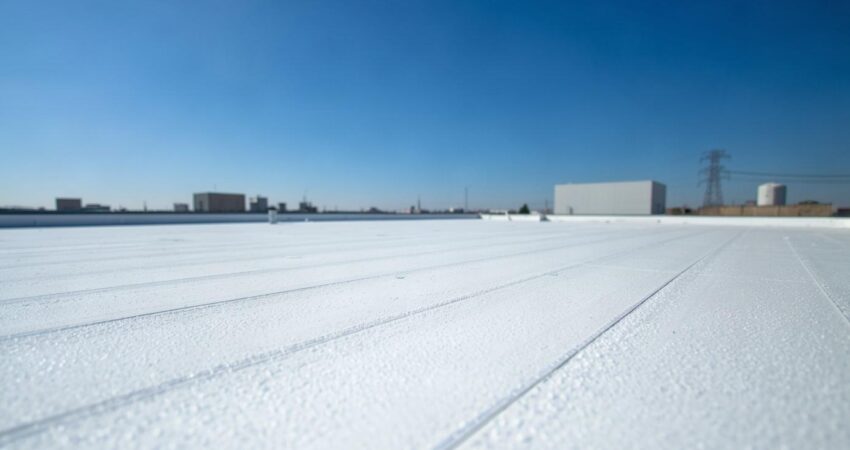
Quick answer: TPO roofing in Ohio costs between $6 and $10 per square foot installed in 2026. Thermoplastic Olefin (TPO) provides excellent energy efficiency and durability for flat and low-slope roofs. Professional installation requires precise heat-welding at the seams to ensure the membrane withstands Ohio’s freeze-thaw cycles and heavy snow loads.
Flat and low-slope roofs present unique challenges for property owners in the Midwest. Heavy winter snow accumulation, frequent spring rainstorms, and intense summer heat demand a roofing material that can handle extreme weather fluctuations. Thermoplastic Olefin, commonly known as TPO, has rapidly become a preferred solution to address these exact environmental demands.
TPO is a single-ply roofing membrane composed of synthetic rubber. It features a highly reflective white surface that deflects ultraviolet rays, significantly lowering cooling costs during hot summer months. Because the membrane resists tears, punctures, and chemical damage, it offers a reliable defense against the elements. If you want to ensure your low-slope roof is protected year-round, securing professional TPO roofing services in Cincinnati and Southwest Ohio is a highly effective strategy.
What are the costs of TPO roofing in Ohio for 2026?
Budgeting for a new roof requires accurate, up-to-date figures. In 2026, Ohio property owners can expect to pay an average of $6 to $10 per square foot for a fully installed TPO roofing system. A typical 1,500-square-foot flat roof will cost between $9,000 and $15,000.
Several specific factors influence your final project price. The thickness of the membrane plays a major role; TPO typically comes in 45-mil, 60-mil, and 80-mil options. Thicker membranes cost more upfront but provide enhanced puncture resistance and a longer lifespan. Additionally, the condition of your existing roof structure dictates whether a complete tear-off is necessary. Removing old materials and replacing damaged insulation boards will increase the total labor and disposal costs.
How does TPO compare to EPDM and other flat roofing options?
Selecting the right material requires comparing TPO against other prominent flat roof options, particularly Ethylene Propylene Diene Monomer (EPDM). EPDM is a synthetic rubber membrane known for its exceptional durability and longevity, often lasting 20 to 30 years. However, EPDM is traditionally black, meaning it absorbs heat rather than reflecting it.
When evaluating the best flat roofing systems for Ohio buildings, your decision should align with your specific property goals. Choose TPO if energy efficiency and summer cooling costs are your primary concerns, as its white reflective surface drastically reduces heat transfer. Choose EPDM if you have a strict budget and prioritize a long-standing track record of winter weather endurance. Both systems provide excellent waterproofing when installed correctly.
Why do businesses choose TPO for commercial applications?
Commercial facilities often have sprawling flat roofs that house heavy HVAC units, ventilation systems, and complex drainage structures. TPO roofing adapts perfectly to these environments. The material offers high resistance to industrial pollutants, oils, and greases that sometimes accumulate on commercial rooftops.
Because TPO membranes are lightweight, they add minimal stress to the underlying structural supports of large warehouses or retail centers. The heat-welded seams create a monolithic, watertight barrier around penetrations and equipment curbs, preventing leaks that could disrupt business operations. For these reasons, many local enterprises rely on expert commercial roofing services in Cincinnati to install TPO on their facilities.
Can TPO be used for residential homes in Ohio?
While predominantly seen on commercial buildings, TPO is an increasingly popular choice for residential properties with flat or low-slope architectural features. Many modern home designs utilize flat roof segments over garages, sunrooms, or extended porches. Traditional asphalt shingles cannot be used on flat slopes because water will not drain quickly enough, leading to severe moisture intrusion.
TPO provides a seamless waterproof barrier that protects these vulnerable residential areas. The material also aligns with eco-friendly building practices, as it is 100% recyclable at the end of its service life. Homeowners looking to upgrade their flat-roofed additions frequently turn to residential roofing solutions in Greater Cincinnati to implement this energy-efficient technology.
What are the steps for a professional TPO roof installation?
A roofing system is only as strong as its installation. Proper application prevents seam failures and ensures the membrane achieves its expected 15 to 20-year lifespan. Tier 1 Roofing and Exteriors follows a stringent installation protocol:
1. Surface preparation and insulation
Installers begin by cleaning the roof deck and removing any debris or compromised materials. Next, they secure rigid insulation boards—typically Polyisocyanurate (polyiso)—to the deck. This insulation layer provides a smooth substrate for the TPO and heavily boosts the building’s thermal resistance.
2. Membrane attachment
The TPO membrane is rolled out over the insulation. Installers secure the material using one of three methods: mechanical fastening with heavy-duty screws and plates, full adhesion using industrial bonding adhesives, or a ballasted system using river rock. Mechanical fastening is the most common and cost-effective approach for Ohio weather conditions.
3. Heat welding the seams
This is the most critical phase of the installation. Technicians use specialized hot-air welding equipment to melt the overlapping edges of the TPO rolls together. As the material cools, it fuses into a single, continuous sheet. This heat-welded bond is physically stronger than the membrane itself, completely eliminating the risk of water seeping through the joints.
Frequently asked questions about TPO roofing
How long does a TPO roof last in Ohio?
A professionally installed TPO roofing system typically lasts between 15 and 20 years. Regular maintenance, such as clearing debris from drains and inspecting seam integrity after severe storms, helps maximize this lifespan.
Does TPO roofing perform well in winter weather?
Yes. TPO maintains its flexibility in freezing temperatures, preventing the material from cracking or splitting during Ohio’s harsh winters. The heat-welded seams also block ice dams from forcing water beneath the membrane.
Are TPO roofs resistant to punctures and tearing?
TPO membranes include a reinforced fiberglass mat that provides high tensile strength. While a 45-mil thickness is standard, opting for a 60-mil or 80-mil thickness offers superior defense against falling tree branches and heavy foot traffic.
Ready to start your TPO roofing project?
Investing in a new flat roof secures your property against severe weather while actively lowering your monthly energy bills. TPO roofing provides the perfect balance of durability, cost-effectiveness, and modern thermal performance.
When you partner with a certified contractor, you guarantee that every seam is flawlessly welded and every insulation board is properly secured. To explore your options and request a comprehensive estimate for your home or business, View all our roofing and exterior services today. Tier 1 Roofing and Exteriors is ready to deliver a long-lasting roofing system tailored to your exact needs.