
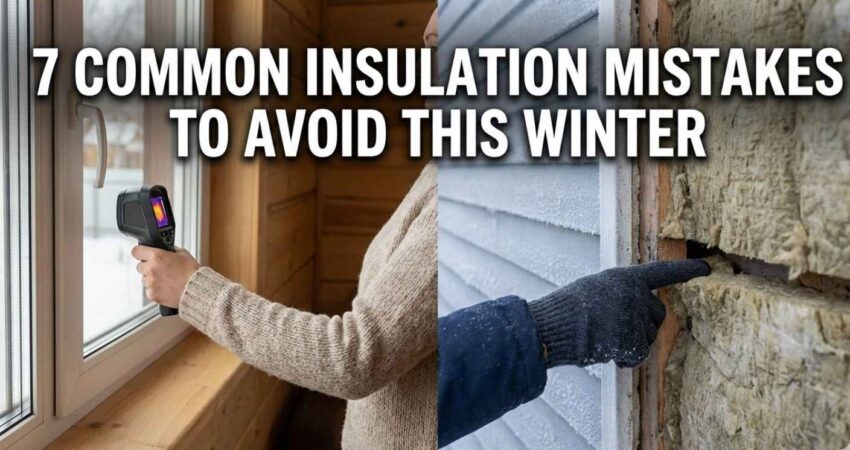
Did you know that nearly 20% of your home’s heat can escape through improperly insulated areas? As winter sets in, ensuring that your insulation is effective can dramatically reduce your heating costs and increase comfort. In this article, we’ll dive into the seven most common insulation mistakes homeowners make, especially when dealing with insulation installation contractors in Cincinnati, OH. By avoiding these pitfalls, you can enjoy a cozier home this winter without breaking the bank.
One of the most prevalent mistakes homeowners make is neglecting to insulate their windows and doors properly. While everyone focuses on wall insulation, gaps around windows and doors can lead to frostbite levels of energy loss. An experienced insulation contractor can help you seal these vulnerabilities, ensuring that your heating system works efficiently, saving you money while keeping your home cozy.
Why Proper Insulation Matters
Before diving into the mistakes, it is important to understand the role insulation plays in your home. It acts as a barrier to heat flow. In the winter, it keeps the heat inside; in the summer, it keeps the heat outside. When installed correctly, it reduces the workload on your HVAC system, leading to lower energy bills and a longer lifespan for your heating and cooling units. Furthermore, proper insulation contributes to soundproofing and fire protection.
Unfortunately, good intentions often lead to poor execution. Let’s look at where things often go wrong.
1. Ignoring Air Leaks and Drafts
One of the biggest misconceptions homeowners have is that adding insulation automatically fixes a cold room. If you add fiberglass batts to a wall but fail to seal the air leaks first, you are essentially putting a wool sweater on over a windbreaker that has holes in it. The wind will still cut right through.
Air leaks commonly occur around windows, doors, electrical outlets, and plumbing vents. Before adding any insulation, you must seal these gaps with caulk or expanding spray foam. If your windows and doors are old or warped, simply sealing them might not be enough. In some cases, professional window installation or door installation is necessary to create a truly airtight envelope for your home. Stopping the air movement is just as important as the insulation itself.
2. Skipping Proper Attic Insulation Techniques
The attic is often the primary source of heat loss in a home because heat rises. Many homeowners toss some insulation rolls between the joists and call it a day, but this often leads to coverage gaps.
A common mistake here is blocking the soffit vents. These vents allow fresh air to enter the attic, which regulates temperature and prevents moisture buildup. If you stuff insulation right up to the eaves without installing baffles or chutes that keep the air path open, you risk creating an environment ripe for mold growth and ice dams on your roof. Additionally, failing to insulate the attic hatch or door is like leaving a window open all winter; it creates a chimney effect that sucks warm air right out of your living space.
3. Overlooking Basement and Crawl Space Insulation
While the attic gets all the attention, the basement and crawl space are often neglected. Cold air can seep up through the floorboards if these areas aren’t properly treated.
In basements, people often insulate the ceiling (the floor of the room above) but forget about the rim joists—the area where the house frame meets the foundation. This is a major source of air infiltration. For crawl spaces, there is often confusion about whether to insulate the floor above or the walls of the crawl space itself. The wrong choice depends on whether the crawl space is vented or encapsulated. Making the wrong call here can lead to frozen pipes and cold floors during the dead of winter.
4. Choosing the Wrong Insulation Material
Not all insulation is created equal. Fiberglass batts, cellulose, spray foam, and rigid foam boards all have specific applications where they excel—and areas where they fail.
For example, fiberglass is great for standard stud bays but performs poorly if it gets wet or compressed. Closed-cell spray foam is excellent for sealing air leaks and adding structural strength, but it is significantly more expensive. Using a material that isn’t rated for moisture in a damp basement, or using loose-fill in a vertical wall cavity without proper containment, will result in the insulation settling or growing mold. Consulting an insulation installation contractor can help you match the right material to the specific needs of your home’s architecture.
5. Neglecting Ventilation Needs
It seems counterintuitive: why would you want ventilation when trying to keep warm air in? The answer lies in moisture control. We generate a lot of humidity through cooking, showering, and breathing. If a home is sealed too tightly without adequate ventilation strategies, that moisture gets trapped inside the insulation.
Wet insulation loses its R-value (its resistance to heat flow) and becomes a breeding ground for mold and rot. Your home needs to “breathe” in a controlled manner. This is why attic vents, ridge vents, and soffit vents must work in harmony with your insulation system. If you seal a house up tight, you must ensure your mechanical ventilation is up to the task of removing stale, moist air.
6. Improperly Installing Insulation Batts
Fiberglass batts are the most common DIY insulation material, but they are also the most commonly installed incorrectly. The key to fiberglass is fluffiness. It works by trapping pockets of air.
A frequent mistake is jamming a standard batt into a space that is too small, or compressing it to fit around pipes and wires. When you compress fiberglass, you squeeze out the air pockets, drastically reducing its effectiveness. Another issue is leaving gaps or “voids” around electrical boxes or odd-shaped corners. Even a small gap can reduce the effective R-value of the entire wall by a surprising percentage. Batts need to be cut precisely to fit the cavity—snug, but not squished.
7. Underestimating R-Value Requirements
R-value measures an insulating material’s resistance to conductive heat flow. The higher the R-value, the greater the insulating effectiveness. However, the R-value you need depends heavily on where you live.
The Department of Energy provides specific recommendations based on climate zones. What works in Florida will leave you freezing in Ohio. Cincinnati homeowners need to meet specific standards for Zone 4 or 5 depending on exact location and local codes. A common mistake is assuming that some insulation is enough, or using R-13 in an attic that really requires R-49 or higher to maintain efficiency. Under-insulating means your heating system runs longer and works harder, costing you more money every single month.
Achieving Optimal Winter Comfort
Winter insulation doesn’t have to be a daunting task if you’re aware of the common pitfalls to avoid. By taking proactive steps and following our guidelines, you can enhance your home’s energy efficiency and comfort during the colder months. Tier 1 Roofing and Exteriors is here to provide you with the expertise needed to achieve the best results for your home in Ohio. Serving Cincinnati, Dayton, Mason, Loveland, and Monroe, our professional team is just a phone call away at 513-295-3487. Let us help you prepare for winter — reach out today to get started on your insulation needs!
More resources:
Why Insulation Matters in Ohio’s Harsh Winters: Tips for Maximum Comfort
Winter Home Upgrades in Ohio: Insulation, Windows, and Doors